Stephen Vincent Benet Quotes
Bury my heart at Wounded Knee.
Benét, Stephen Vincent. "American Names." Ballads and Poems, 1915-1930, Doubleday, Doran & Company, 1931, p. 4.


Samuel Langhorne Clemens, 1835-1910. Twain was one of the few whites who realized that success in assimilating American Indians would destroy their culture and identity. Even today, whites and Indians alike constantly debate the desirability of assimilation policies and supporting independent reservations.

Clark’s men had English Colonel Hamilton under siege by making him think there were many more Americans in Clarks army than the real 180 or so. He tried to get Hamilton to surrender by threatening if they had to take the fort they would treat Hamilton and the British as murderers—Hamilton had paid hostile Indians for American scalps. At that point a party of Clark’s men arrived with 4 or 5 Indian prisoners who had been captured raiding
civilian farms. After the Indians were executed, Hamilton agreed to surrender.


Gold had been discovered in the Black Hills lands that were sacred to the Lakota Sioux and were reserved for exclusive use of the Indians by the Fort Laramie Treaty. Greedy whites, ignoring the treaty provisions not only entered the Black Hills to pan and mine for the gold, but killed many Indians they ran across Sherman was angry and wrote to his old friend President Grant. Grant, now a political, had to contend with public opinion that thought it absurd that gold should not be mined because a few Indians regarded the land as sacred. Meanwhile Grant was working with a few others to portray minor clashes between whites and Indians in the Black Hills as violent and dangerous Indians breaking the treaty.


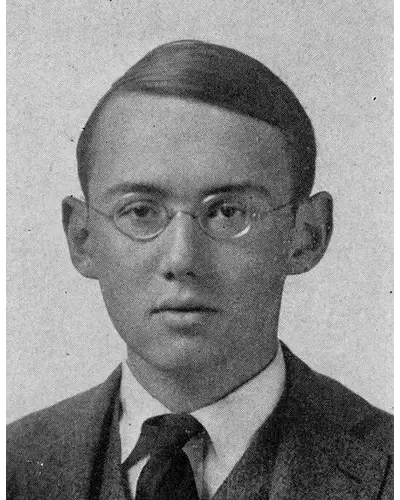
Stephen Vincent Benét was an American poet, short story writer, and novelist. Benét is best known for his book-length narrative poem of the American Civil War, John Brown's Body (1928), for which he won a Pulitzer Prize in 1929, and for two short stories, "The Devil and Daniel Webster" (1936) and "By the Waters of Babylon" (1937). In 2009, The Library of America selected Benét’s story "The King of the Cats" (1929) for inclusion in its two-century retrospective of American Fantastic Tales.
