Will Cuppy Quotes
Borrowing has a bad name, but you would be surprised how it helps in a pinch.
Cuppy, Will. How to Be a Hermit. Horace Liveright, 1929, p. 147.


He was referring to making the idea of federal deficits emotionally negative.


Sherman, at the height of the California Gold Rush, took a private assignment for Moffett & Company, establishing and running an assaying, banking and minting company in San Francisco
Such an interest rate was not considered high, much less usurious.

Chrysler had gotten into cash flow difficulty and could not borrow enough money to keep open until they could pay their bills. Their credit was not good enough for most lenders. Iacocca approached the Federal Government and asked for a Federal loan guarantee of about $1 billion. Some members of Congress and public critics were outraged that a private company might get a Government bail out in the form of a loan guarantee. Extremists of both parties did not want to set such a precedent of using Federal money to assist private corporations. Iacocca was quite defensive about asking for what seemed to be a precedent setting request. However, he then found out that it would set no precedent at all. Chrysler got the loan, paid all its creditors, paid back the loan with interest, and the company did not go under, but did well for a while.


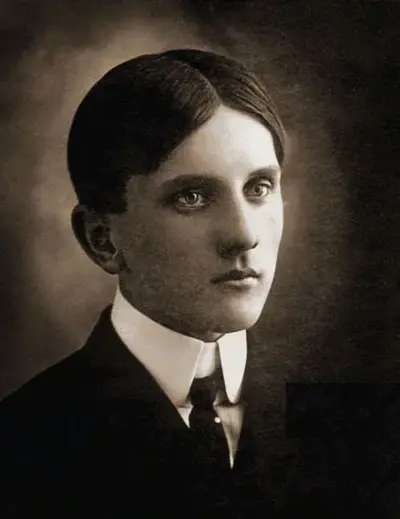
William Jacob Cuppy was an American humorist and literary critic, known for his satirical books about nature and historical figures. Writing funny but factual magazine articles was Cuppy's real talent. He enjoyed a brief success in 1933 with a humorous talk show on NBC radio with actress and gourmet cook Jeanne Owen, but failed to capitalize on it. His best-known work, a satire on history called The Decline and Fall of Practically Everybody, was unfinished when he died. It was completed and published in 1950 by his friend Fred Feldkamp, who sifted through nearly 15,000 of Cuppy's carefully filed note cards to get the book into print. Feldkamp also edited a second posthumous volume, a comic almanac titled How to Get from January to December, that appeared in 1951.
