Evo Morales Quotes
Bolivia also depends not only on tin and other minerals, but also depends on the gas and oil. A rational extraction should be made, taking care of the environment. We should give added value to this natural resource, and generate revenue to fight poverty with more resources, that come from natural resources.
Morales, Evo. Interview by Amy Goodman. Democracy Now!, 16 Nov. 2009.


After winning the election and governing, Iran’s oil was doing very well yet the economy was being so badly mismanaged that the poor economy was one of his biggest problems.


The relationship of population increase economic growth is a critical one. If an underdeveloped country manages to have a 3% annual economic growth rate and also has a 3.2% population growth, at the end of the year, the average person is actually poorer than he was the previous year. South Korea, China, Thailand and India implemented successful population control and family planning programs before they were able to take advantage of economic development. To modernize, the country must be able to have a surplus of funds which can be invested in roads, schools, hospitals, and other facilities which can produce even more growth later. Too many new mouths to feed, clothe and care for can be a barrier to development even if the economy is reasonably good.


Although the Premier recognizes the importance of environmental protection it is difficult for China and other developing countries to make the necessary trade off’s at the expense of slower growth which means continued poverty. Even in the United States with all its affluence, slowing economic growth for environmental reasons is politically very difficult.


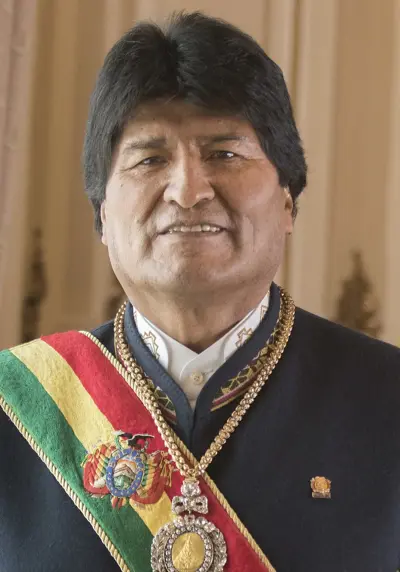
Juan Evo Morales Ayma is a Bolivian politician and former cocalero activist who served as the 65th President of Bolivia from 2006 to 2019. Widely regarded as the country's first president to come from its indigenous population, his administration focused on the implementation of leftist policies and combating the influence of the United States and multinational corporations. Ideologically a socialist, he has led the Movement for Socialism (MAS-IPSP) party since 1998.
