Frances Wright Quotes
Be not afraid! In admitting a creator, refuse not to examine his creation; and take not the assertions of creatures like yourselves, in place of the evidence of your senses and the conviction of your understanding.
Wright, Frances. Course of Popular Lectures. Office of the Free Enquirer, 1829, p. 77.


This a particularly important quotation from a religious source. This view was espoused by Spinoza and for it he was excommunicated by the Jews, Christians and the Muslims. Although he was a devout Jew, he was accused of being irreligious because this view undermined the authority of the Rabbis, Priests, and Imams. See {624859}.


This is as opposed to religion where usually we want unshakable faith, In science, we want our faith to be shakable when new data are discerned or new theories are developed.

This is almost the universal belief of scientists—religious or not. The faith of religion, if extended to science, does not give the person the tools of logic, empiricism, and deduction that is so critical for the scientist. The cleric, in contrast, requires faith. Politicians split. There are many who have the outlook of the scientist. However, there are also political ideologues, who want faithful adherence to the doctrine, as the theological leaders does, and does not subject the doctrine to analytic scrutiny.


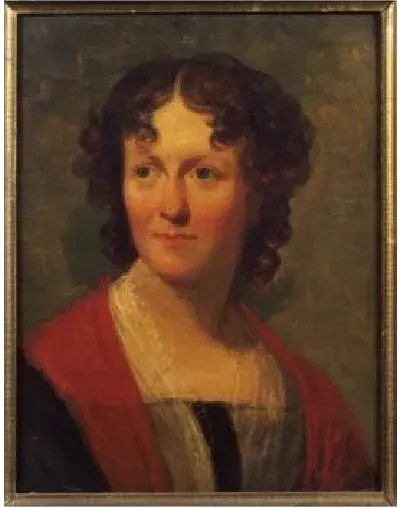
Frances Wright, widely known as Fanny Wright, was a Scottish-born lecturer, writer, freethinker, feminist, utopian socialist, abolitionist, social reformer, and Epicurean philosopher, who became a US citizen in 1825. The same year, she founded the Nashoba Commune in Tennessee, as a utopian community to demonstrate how to prepare slaves for eventual emancipation, but the project lasted only five years. In the late 1820s Wright was the first woman lecturer to speak publicly before gatherings of men and women in the United States about political and social-reform issues. She advocated universal education, the emancipation of slaves, birth control, equal rights, sexual freedom, legal rights for married women, and liberal divorce laws. Wright was also vocal in her opposition to organized religion and capital punishment. The clergy and the press harshly criticized Wright's radical views. Her public lectures in the United States led to the establishment of Fanny Wright societies and her association with the Working Men's Party, organized in New York City in 1829, became so strong that its opponents called the party's slate of candidates the Fanny Wright ticket.
