Solomon Ibn Gabirol Quotes
As long as words are in your mouth, you are their lord; once you utter them, you are their slave.
Solomon Ibn Gabirol, 1020-c. 1070, Spanish Writer, Choice of Pearls
Sourced by: Eigen's Political and Historical Quotations


Despite Lincoln’s instructions, his agents did cut a few deals without which Lincoln would likely not been nominated

Lincoln took the advice of avoiding pledges or promises. However, he did actively campaign.

His older brother was running for Consul—the highest elected office of the Roman Empire. The Handbook, was his advice to his brother as to how to conduct his campaign.
His older brother was running for Consul—the highest elected office of the Roman Empire. The Handbook, was his advice to his brother as to how to conduct his campaign.

This statement, along with {633805}, was made by the President dozens of times. It is a quotation that had more influence on the political status of the nation than most others. Why Obama made such an absolute statement has been a mystery since, but the statement could not possibly have been literally true as long as the insurance companies had the right to cancel existing plans. When they did, they often laid the blame on the Obamacare rules, when the rules had grandfathered them in, but these were policies that the insurance companies saw as not sufficiently profitable in the new health insurance environment. The Republicans and many Democrats castigated Obama as millions of American lost their health insurance despite the President’s oft stated promise.

Kerry was criticizing the tendency of his fellow politicians to campaign making promises for programs or reforms that would cost money and rarely indicate where the money would come from and not willing to say what programs would be eliminated to pay for the current campaign promices.


After the candidate is elected in part by use of his slogans, people remember the slogans and expect the candidate to implement them. Often, even though a candidate honestly thought he/she would implement the sloigan, the candidate often realizes that it is not such a good idea or he might not have the political power to implement the slogans or the cost would be too high. If he had just made the promise in a campaign speech, most people will not have heard it and few will remember. But a slogan is heard by almost all and is very well remembered. This is why so many of the political slogans are general and promise nothing but hope.


Nixon, in his second attempt to win the Presidency was told by a small group of Southern Republican politicians that his support was wavering in the South. They had already left the Democratic Party in reaction to the Passage of the 1964 Civil Rights Act. They were concerned because in order to try and capture some of the more liberal anti-war Democrats, Nixon had been making speeches advocating the vigerous enforcement of of civil rights and improving the lot of the Negro. But Nixon could not afford to lose his political base inb the south. Hence the promise which did not keep very long after he was elected President. Nixon was not a strong civil rights President, but he was totally without principles and had no political idiology he would sacrifice any of his political capital for. So once he was elected, he didn't want to offend the centerists whose support he needed for his legislatrive program so he did pay lip service to the prinicples of equality when he himself was anti-Black, andti-Semitic and prejudiced in many areas including against intelelctuals.

He was furious at Donald Trump's campain promise to build a very hiogh wall alont the entire border between the U. S. and Mexico. But what galled most Mexicans more than anything else was that Trump promised that he would force the Mexican's to pay for the wall.


Samuel Langhorne Clemens, 1835-1910. In the beginning of the 21st century, most Republicans had actually signed a pledge never to raise any taxes. Many of them might have thought better of the idea of they had read this quotation as freedom for them is a very important thing.
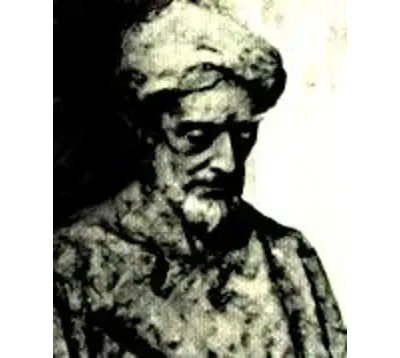
Solomon ibn Gabirol (also Solomon ben Judah; Hebrew: שלמה בן יהודה אבן גבירול Shlomo Ben Yehuda ibn Gabirol, pronounced [ʃe.loˈmo bɛn jɛ.huˈdaː ˈɪ.bn ˌga.bi.ˈrɒːl]; Arabic: أبو أيوب سليمان بن يحيى بن جبيرول Abu Ayyub Sulayman bin Yahya bin Jabirul, pronounced [æ.ˈbuː æj.juːb ˌsu.læj.ˈmæːnɪ bnɪ ˌjæ'ħjæː bnɪ dʒæ.biː.ˈruːl]) was an 11th-century Andalusian poet and Jewish philosopher in the Neo-Platonic tradition. He published over a hundred poems, as well as works of biblical exegesis, philosophy, ethics:xxvii and satire.:xxv One source credits ibn Gabirol with creating a golem, possibly female, for household chores.
