Stephen Kinzer Quotes
Adroit geo-strategists take new realities into account as they try to imagine how global politics will unfold. In the foreign policy business, however, inertia is a powerful force and 'adroit' a little-known concept.
Kinzer, Stephen. Reset: Iran, Turkey, and America's Future. Times Books, 2010.


Assad was the autocratic ruler of Syria. In the second decade of the 21st century, a number of dissident groups started a rebellion. The Unied States and most of the EU countruies wanted to assist the rebels as Assad had been butchering his own people to put down the rebellion. Russia, in addition to having an allaince with Assad for a Navel Base in Syria, was very coincerned about the people replacing Assad if the revolution succeeded. The coalition of rebels was not at all a coalition and there was considerable fighting and hatred between them ISIS was one of the stringest groups and the Russians were worried that they might take over so they supported Assad and in 2016 actually intervened using Russian air power to support the Government troops. That turned the tide and teh rebellion was prevented from succeeding. The Russian leadership was distressed that the United States did not take their concerns seriouly enough and indeed after they were in teh fight, the United States had to deal with them about the fate of Syria, so it was a successful tactic.

The railroads were nationalized for WWI and he ran them all as a government official

What he does not consider is that a large number of Americans don’t want their government having grand strategies if there is no threat to the United States or no critical national interest. For them crises and threats are all that should occupy our foreign affairs.


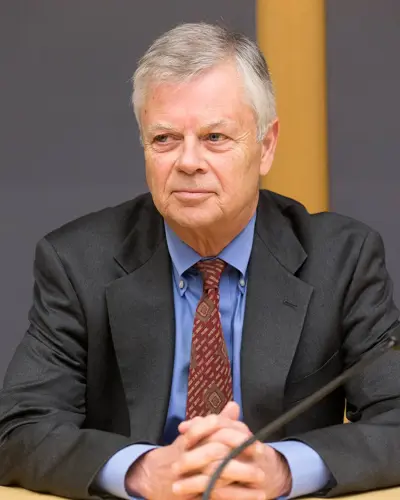
Stephen Kinzer is an American author, journalist and academic. A former New York Times correspondent, he has published several books, and writes for several newspapers and news agencies.
