M. S. Swaminathan Quotes
A number of non-banking finance companies have entered the rural microcredit market. Many microcredit agencies have been charging interest rates not very dissimilar to those charged by moneylenders. Borrowing then becomes more to meet pressing consumption needs, rather than for farming or small-scale enterprises.
Swaminathan, M. S. Serving Farmers and Saving Farming: Fifth and Final Report. National Commission on Farmers, Ministry of Agriculture, Government of India, 2006, p. 34.


There were little controls over usury in his time in India. Villagers often paid 500% or more to borrow money in a necessity like needing critical health care.


The bill which passed required people who went into bankruptcy to continue to pay for credit card obligations incurred before the bankruptcy except if they are very rich and have bought very expensive homes in the five states which offer this shelter.

Sherman, at the height of the California Gold Rush, took a private assignment for Moffett & Company, establishing and running an assaying, banking and minting company in San Francisco
Such an interest rate was not considered high, much less usurious.

Usury in orthodox Muslim terms means the charging of interest. Modern Islamic societies have developed a variety of methodologies for dealing with the usury prohibition yet functioning in a modern capitalist system. Orthodox Jews also have a Biblical prohibition against loans with interest. Fundamentalist Protestants of some sects also believe that loaning or borrowing money and charging interest is a sin prohibited by God.


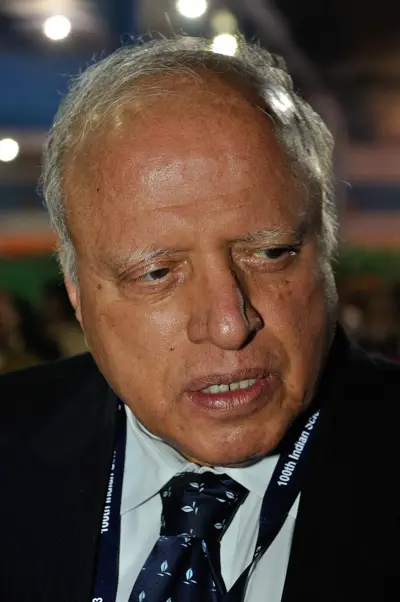
Mankombu Sambasivan Swaminathan is an Indian geneticist and administrator, known for his role in India's Green Revolution, a program under which high-yield varieties of wheat and rice were planted. Swaminathan has been called the "Father of Green Revolution in India" for his role in introducing and further developing high-yielding varieties of wheat in India. He is the founder of the MS Swaminathan Research Foundation. His stated vision is to rid the world of hunger and poverty. Swaminathan is an advocate of moving India to sustainable development, especially using environmentally sustainable agriculture, sustainable food security and the preservation of biodiversity, which he calls an "evergreen revolution."
