Lysander Spooner Quotes
A married woman has the same natural right to acquire and hold property, and to make all contracts that she is mentally competent to make reasonably, as has a married man, or any other man.
Spooner, Lysander. A Letter to Grover Cleveland, on His False Inaugural Address, the Usurpations and Crimes of Lawmakers and Judges, and the Consequent Poverty, Ignorance, and Servitude of the People. Benjamin R. Tucker, 1886, p. 52.


In many countries, wives must have the permission of their husbands to have any major medical procedure. In some she cannot leave the home, travel, or make a contract without the permission of the husbands. Each year, in the third world, many women die in from not being able to have medical care because they were not allowed to leave the village to go to a hospital or clinic in an emergency, until the husband could be found to grant permission. Under American and most law of developed countries, either spouse had the unilateral right to have any medical procedure and neither is required to inform or obtain the permission of the other.

There was a movement to pay married women who were housewives to compensate them for the time they spend in, if nothing else, educating and bringing up male children who were educated. It was they who transmitted the values and many experts agree have more to do with a child’s education than the schools do. So this important and critical societal task was not remunerated as were all others. At the time, even many of the feminists held the view that society would be better off if women were homemakers and brought up the children. However, without any pay (and at the time few or no rights to a husbands earnings of assets) she was bound to be a second class citizen. That idea of housewife compensation obtained almost no support, and the only way for women to gain some kind of position and equality was to work outside the home—the condition that became the norm about 30 years after this was written.


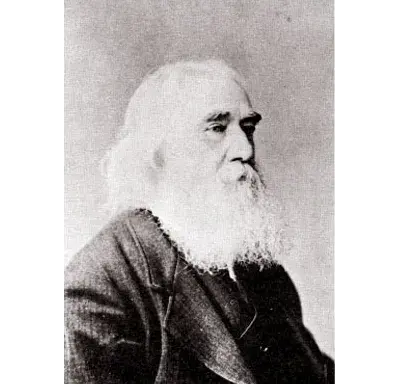
Lysander Spooner was an American individualist anarchist. He was also an abolitionist, entrepreneur, essayist, legal theorist, pamphletist, political philosopher, Unitarian, writer and a member of the First International.
